Mark Pavelka
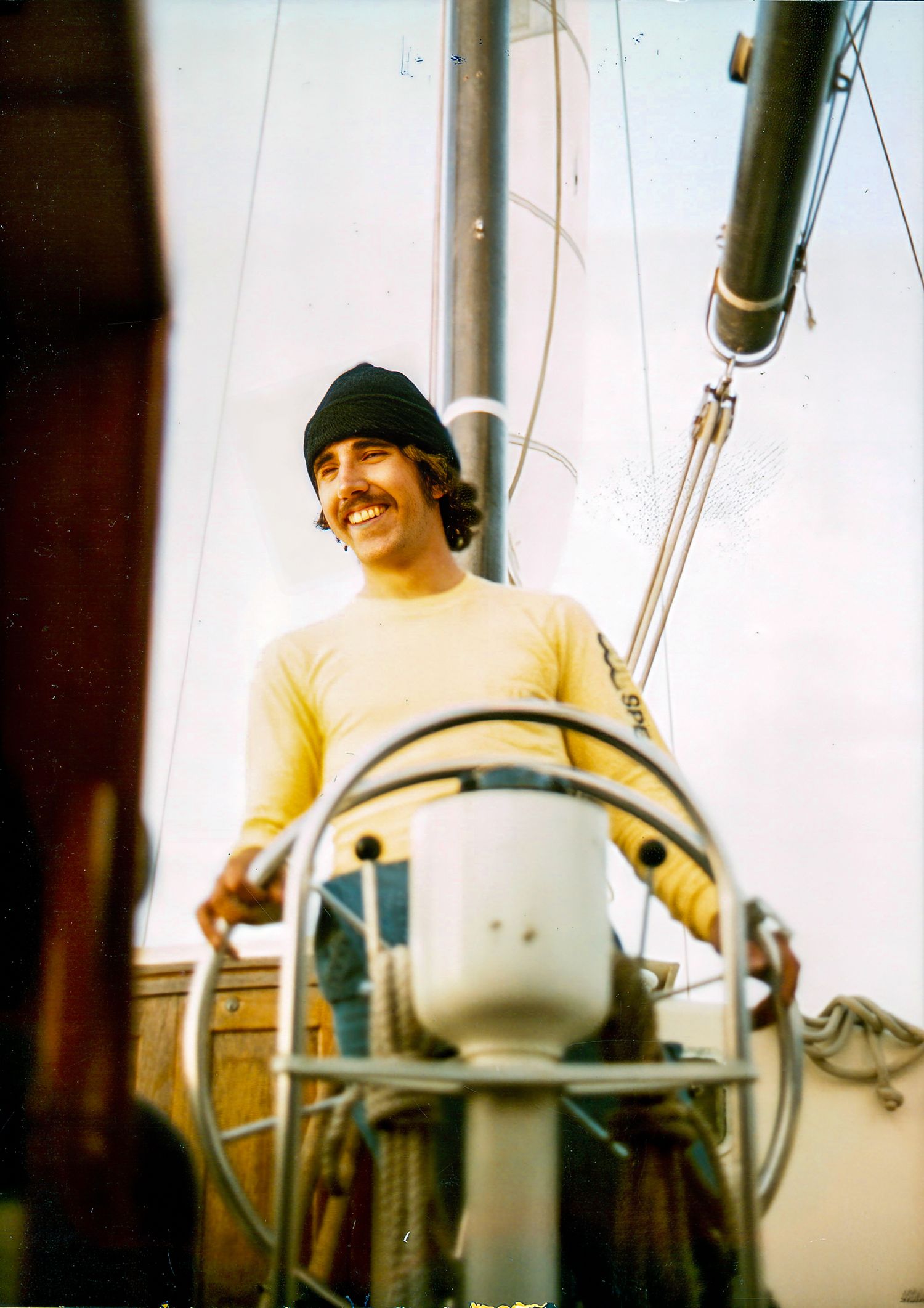
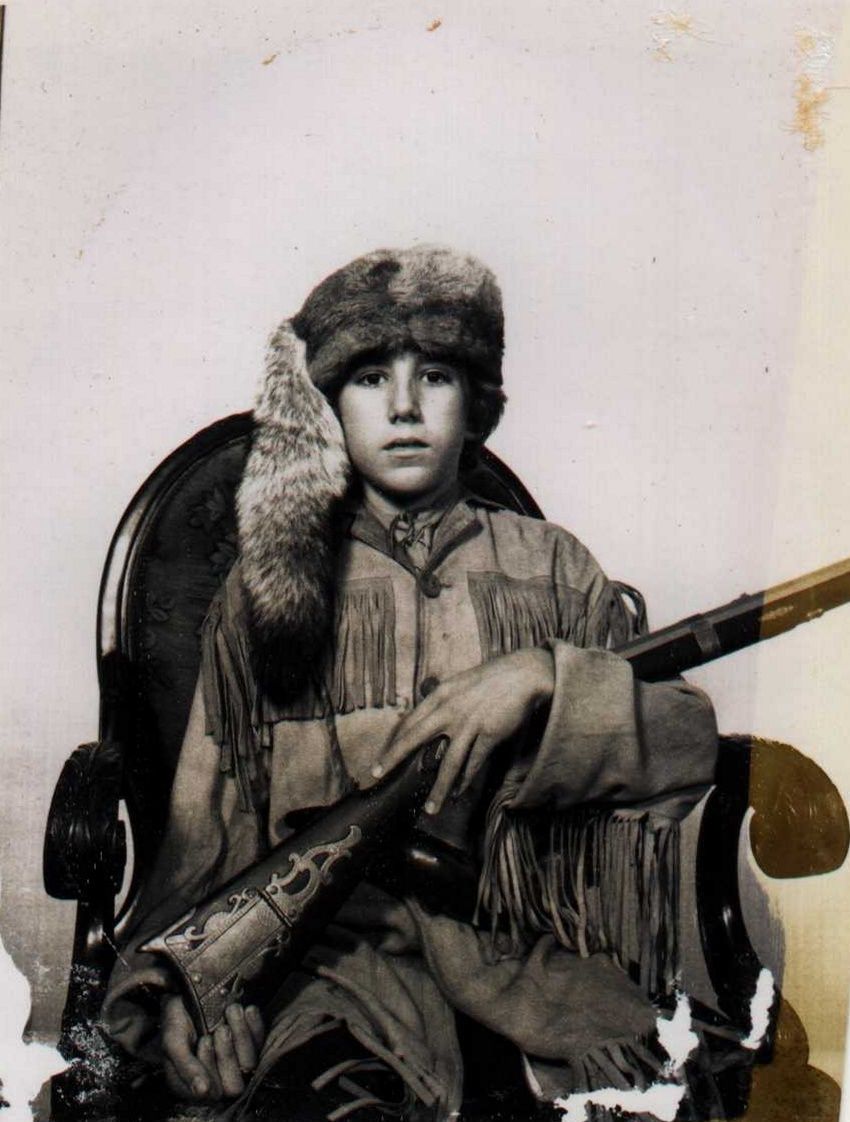
I started out with my first camera at age 8, taking black and white photos of my relatives, neighbors, and friends on the playground. I remember well the point and shoot, manual film winding, and rotating disposable flash cubes. In junior high school I upgraded to my first SLR - a Mamiya Sekor 1000 DTL, and learned the magic of film processing and printing in the darkroom. I later progressed into a Canon EOS Elan film camera, then on to a Canon 350D. Now, as I relearn my photography skills, I have equipped myself with a Sony A1M2 and a wide variety of lenses and accessories. My how photography has changed in the last 55 years! My history has taught me to be structured and scientific in my endeavors, but through photography I am seeking not just documentation of the world around me, but to also discover the artistic me that has been hiding inside all these years.
Working with wildlife
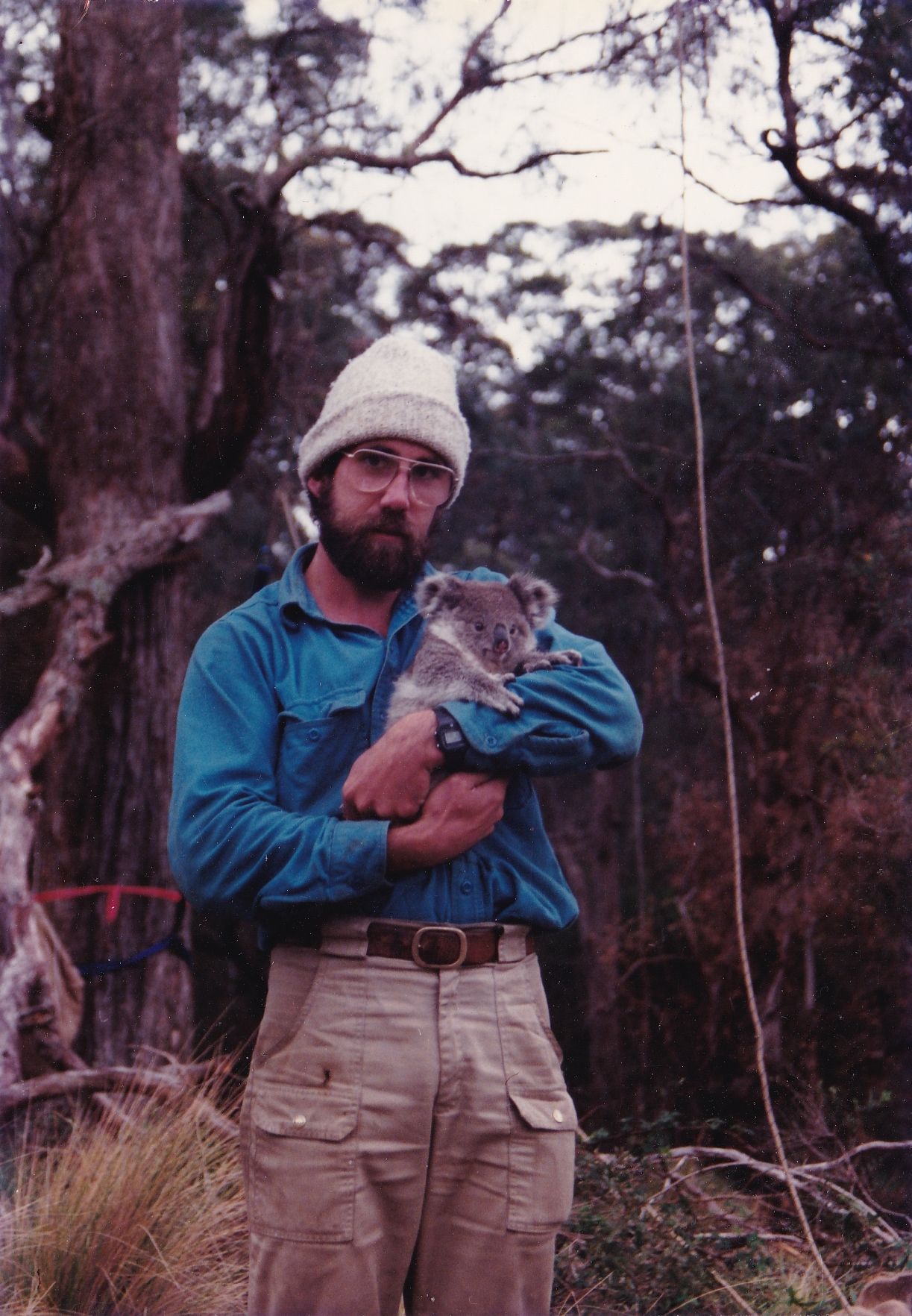
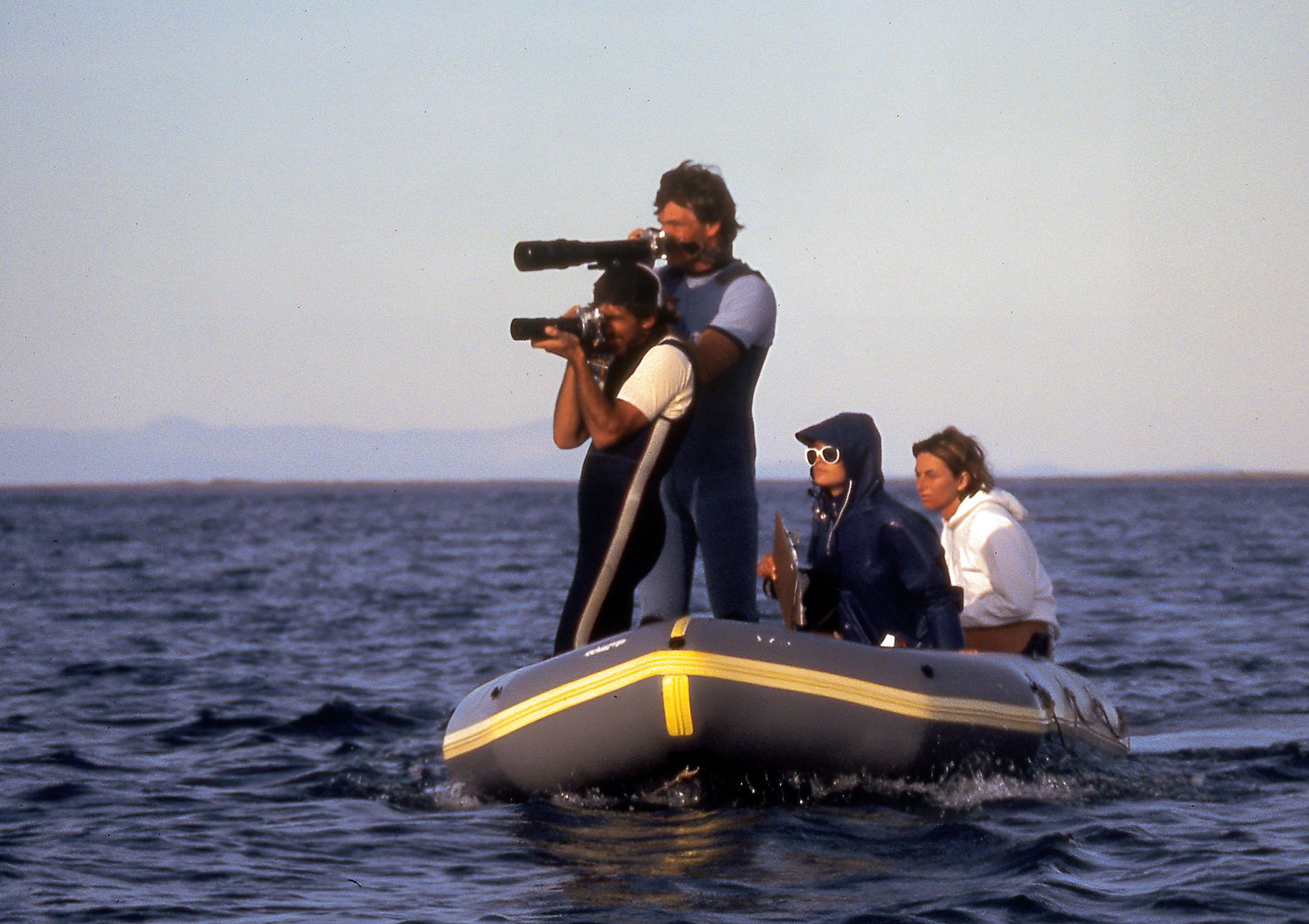
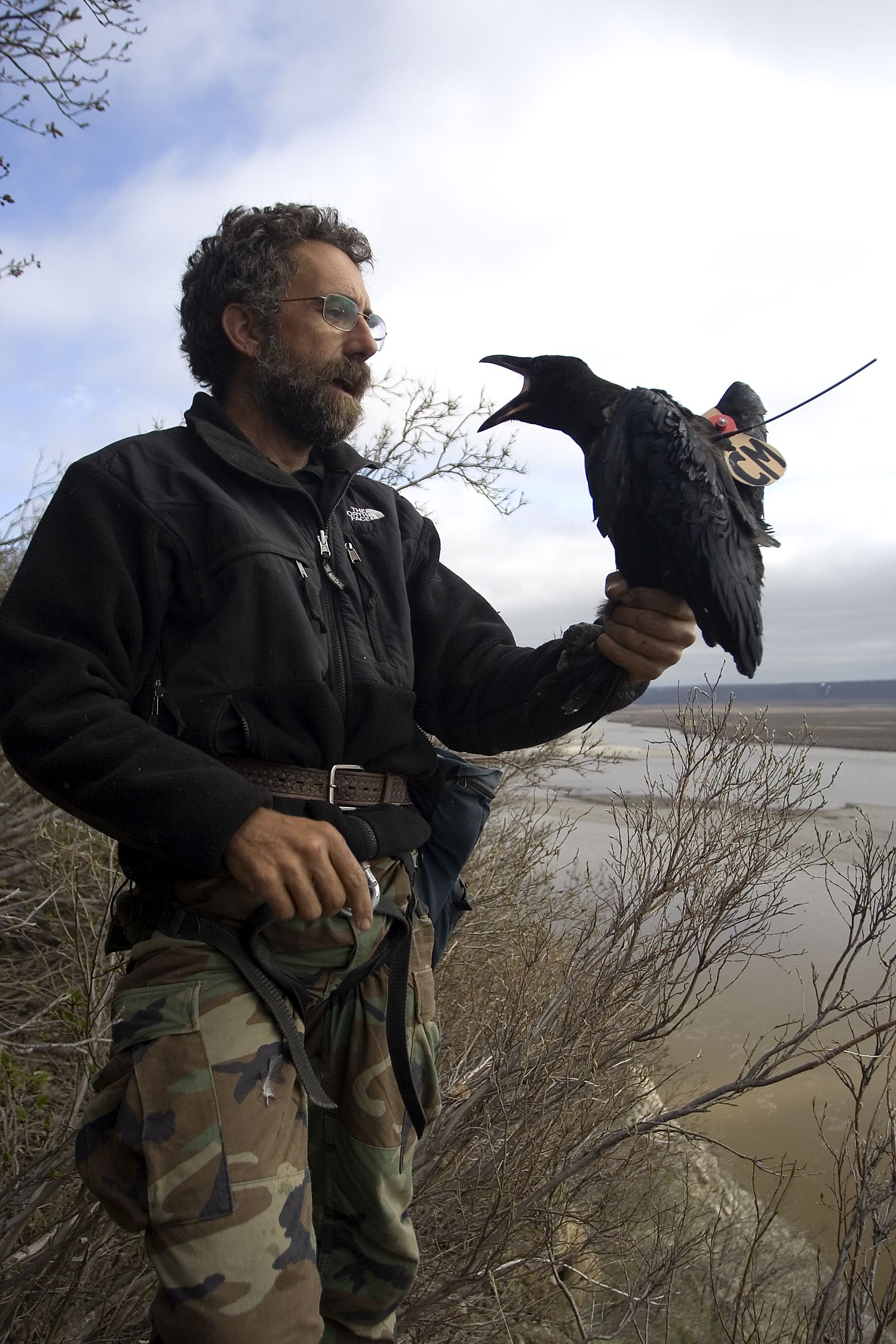
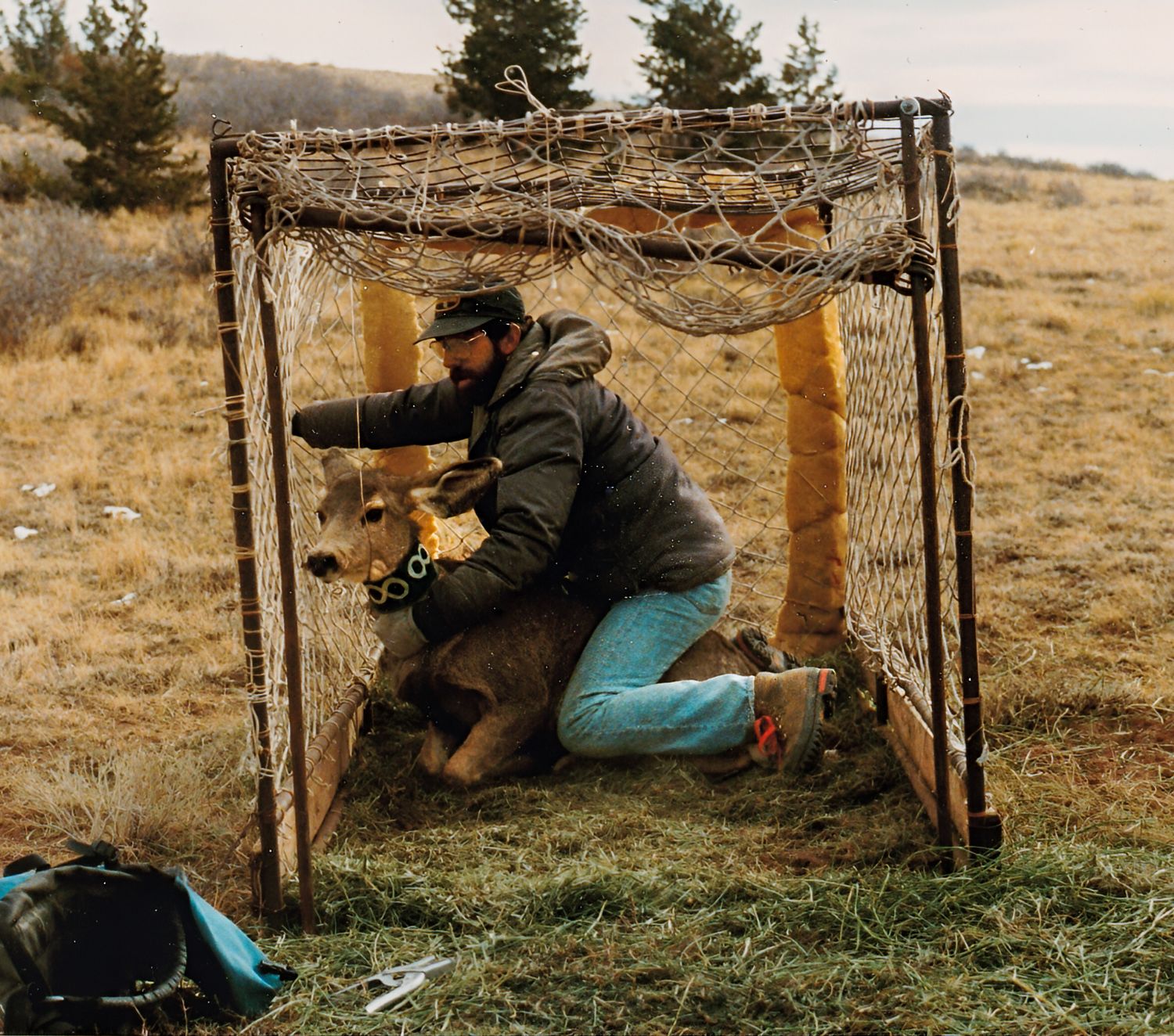
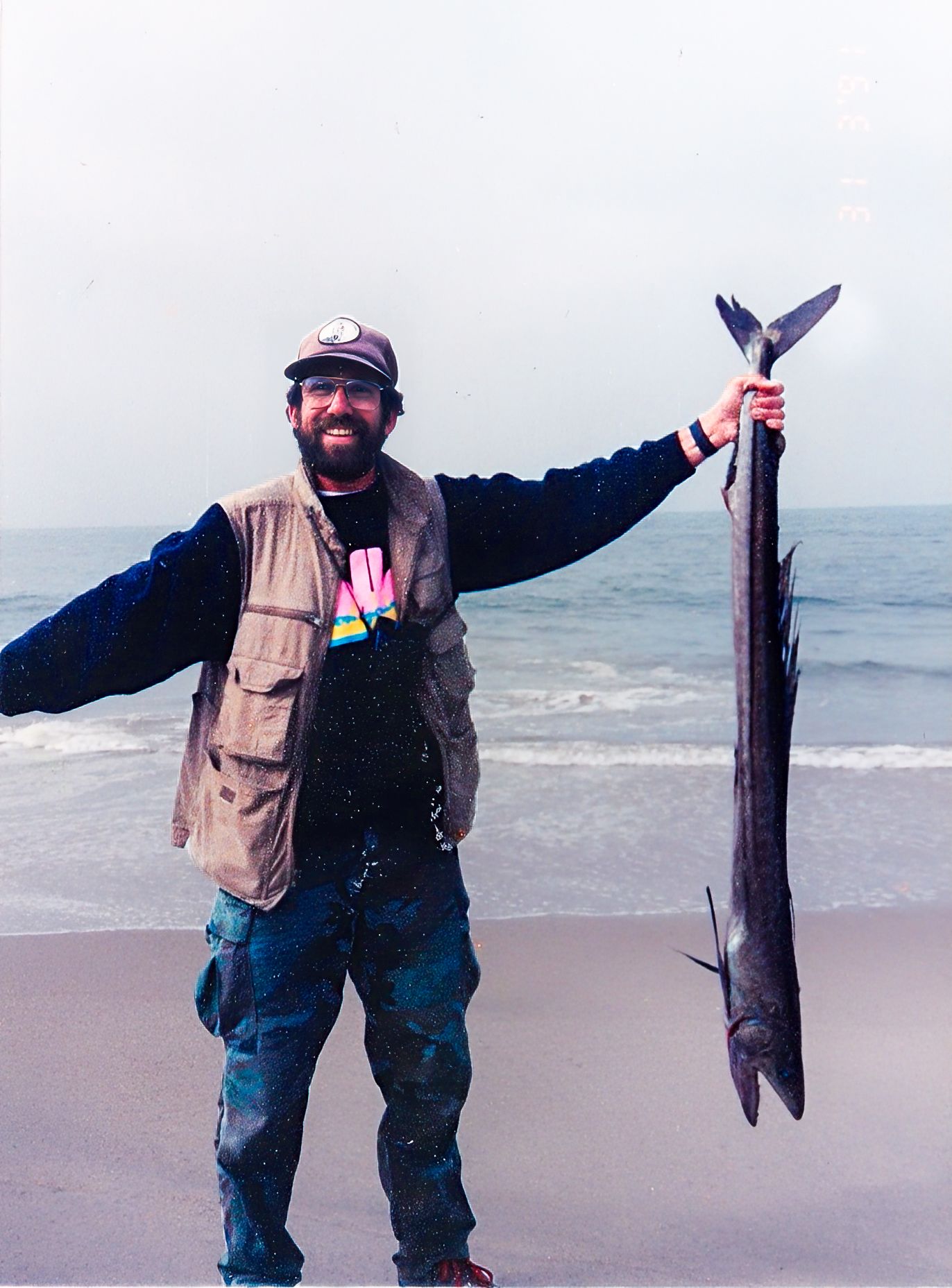
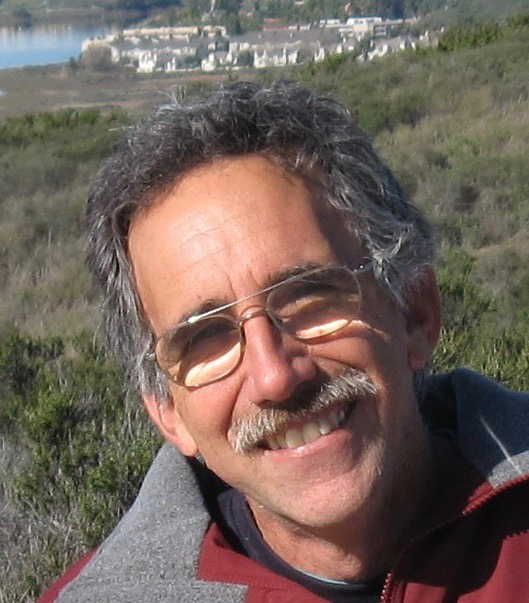
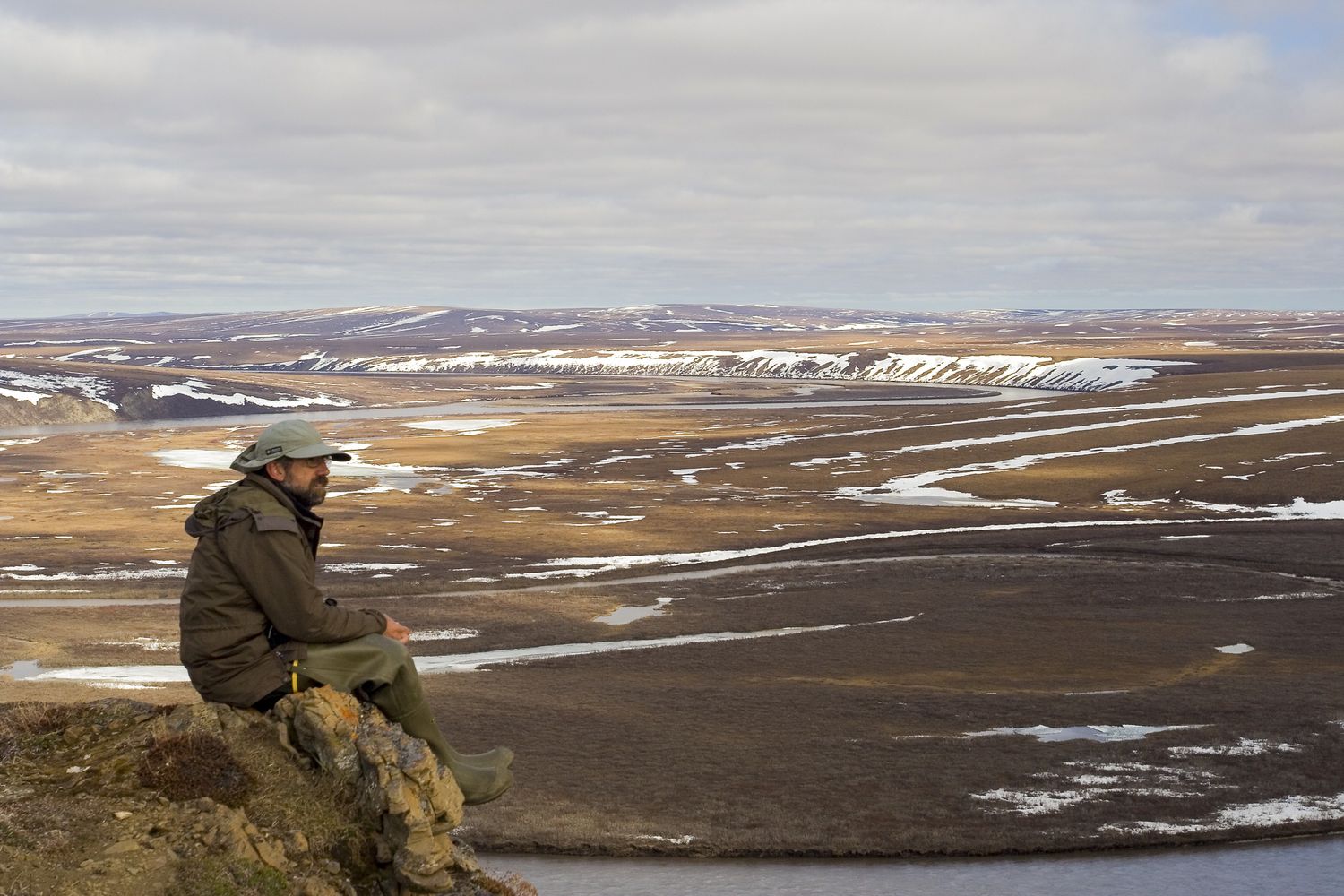
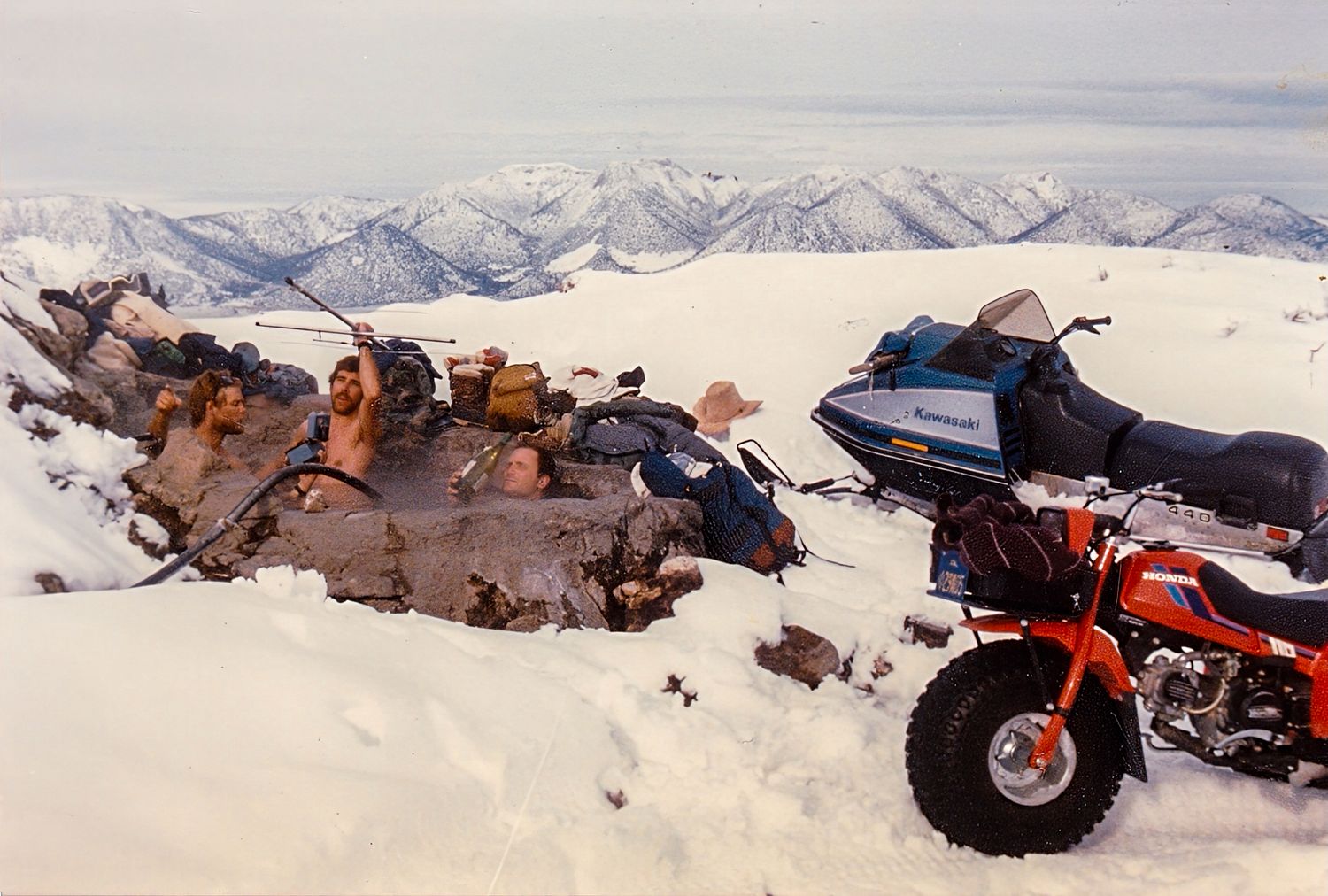
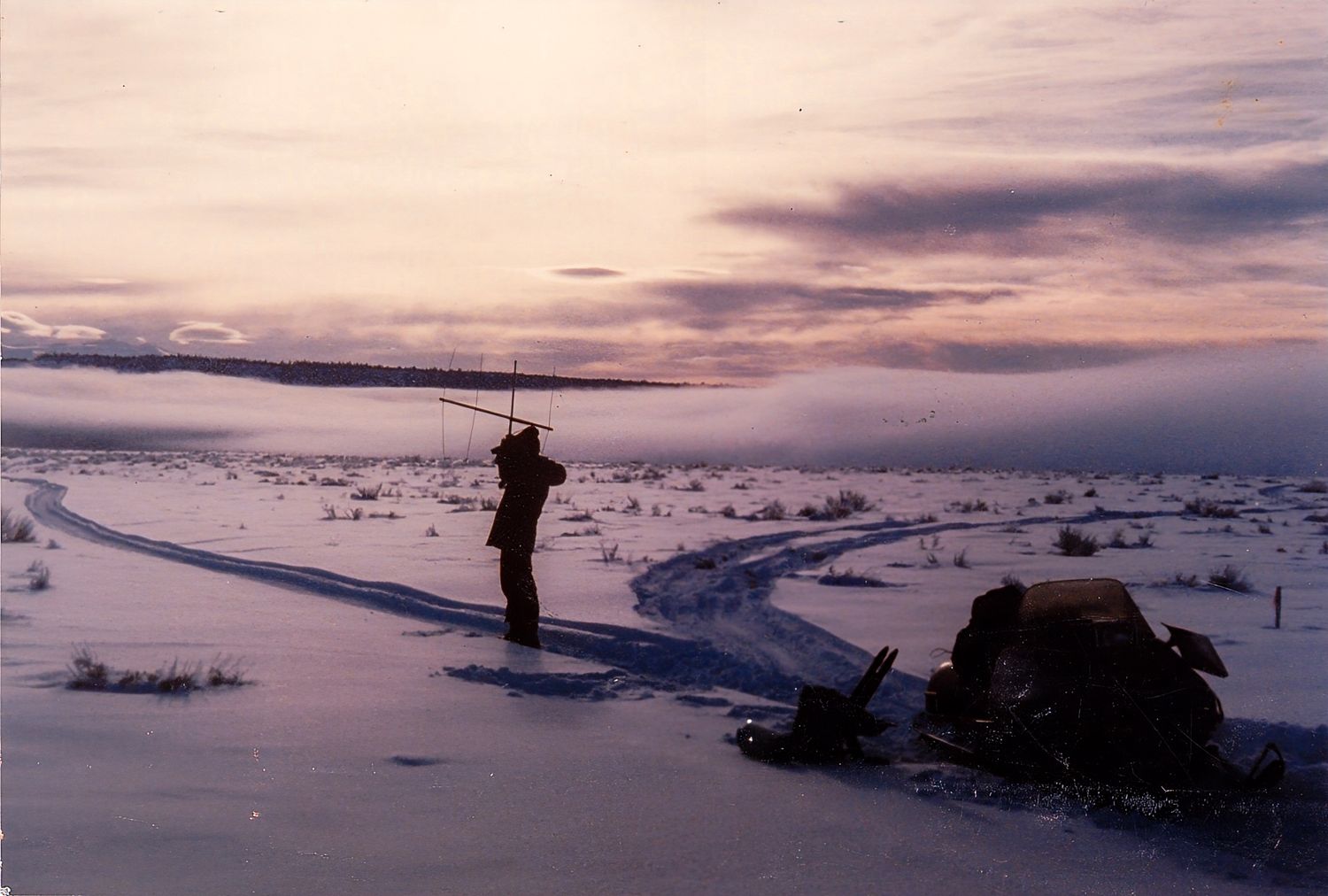
I was first inspired to enter the field of wildlife biology by Denis Kelly, a biology professor at Orange Coast College. I was taking a class on Marine Mammals when Denis jumped up onto the lab tables and began screaming at the top of his lungs - he was emulating the sounds that different whale species make - and I remember thinking, "this guy is nuts... but I like it!" Within a month I was signed up to join another professor (Norm Cole) who was researching gray whale site fidelity to calving in San Ignacio Lagoon, Baja California. We spent 10 hours a day, several weeks each year on small inflatable boats photographing the barnacle patterns on gray whales in the lagoon, then later comparing those patterns to photographs from past years to identify returning individuals. It was there that I met another photographer and lifetime friend Mike Couffer. I furthered my photo identification skills on my next project where I used photographs of tail spot patterns to identify and track individual male sage grouse on breeding leks in the Mono basin, CA. Later, while working on old world warblers (phylloscopus) with Dr. Trevor Price high in the Indian Himalayas, my trusty Mamiya Sekor tried to liberate and took a thousand foot slide down a glacier - the damage was terminal. I spent the next 5 years working on a wide variety of species ranging from koalas and kangaroos to falcons and ravens - all the while staying focused on my work and taking very few photographs. My wildlife journey continued into 25 years with the US Fish and Wildlife Service studying and furthering the conservation of many plant and animal species. After retiring I was on an outing banding black skimmers with my friend Mike Couffer when I realized how much I missed photography, and how many years of great opportunities for wildlife photographs I had missed. So now I am rediscovering my passion and sharing my photographs in hopes of inspiring others to experience and promote the conservation of the natural world we all belong to.
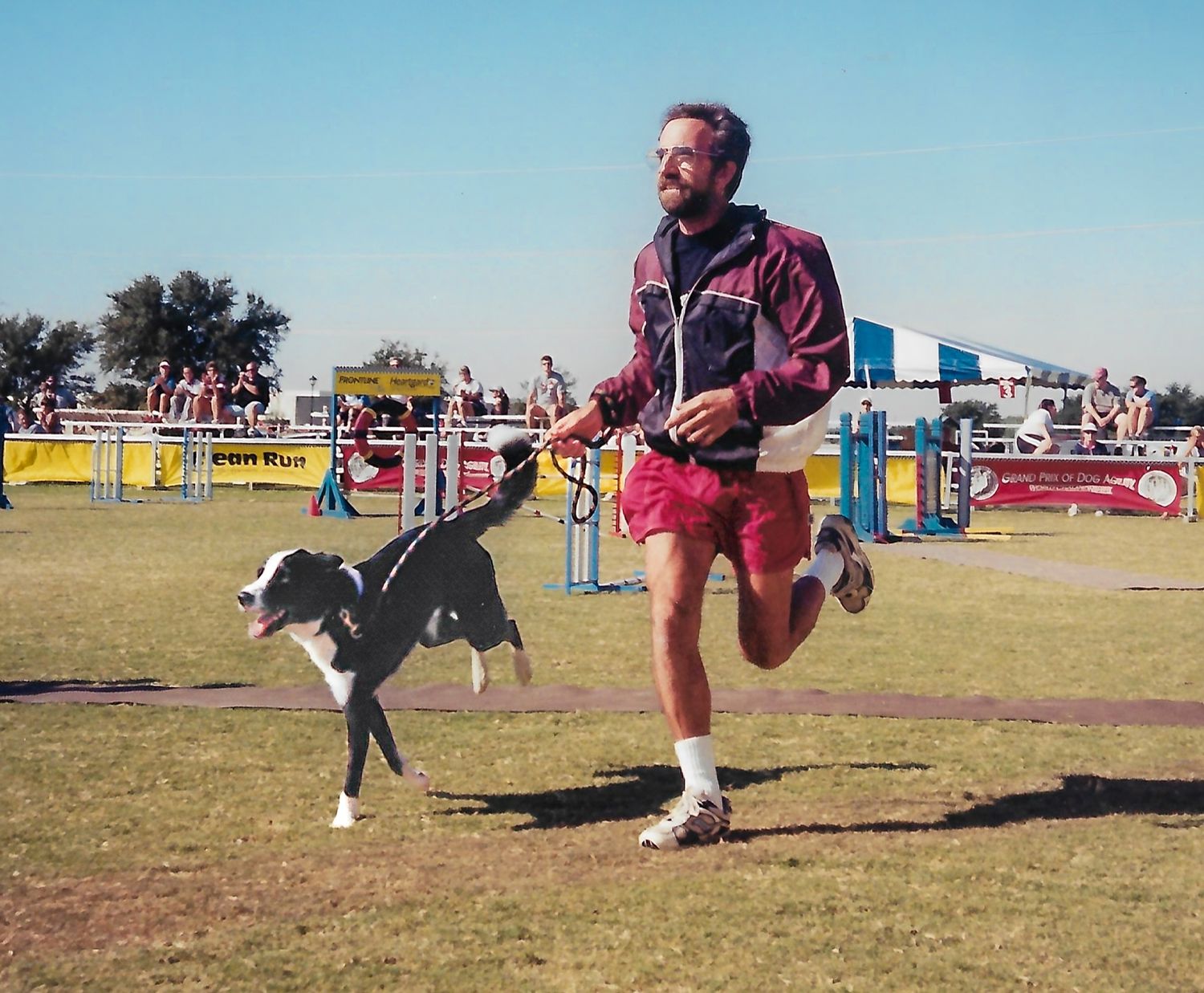
DOG AGILITY
This is a paragraph. Click edit and enter your own text. You can make changes like making the text bold, underline or italic. This is a great place for you to tell your clients more about your story and to describe the type of photographer you are. You can come back at any time to make more changes.
The last word in ignorance is the man who says of an animal or plant, “What good is it?” If the land
mechanism as a whole is good, then every part is good, whether we understand it or not.
- Aldo Leopold -